01
Verify the source
Check the site address before downloading. Avoid short links forwarded by unknown accounts or communities.
Read guide ↗Explore a self-custody wallet approach built around local keys, offline recovery backups, multichain asset views and careful transaction review, with clear guides for each step.
Keep credentials under your control
Back up before moving assets
Check address and network
Never share recovery phrases
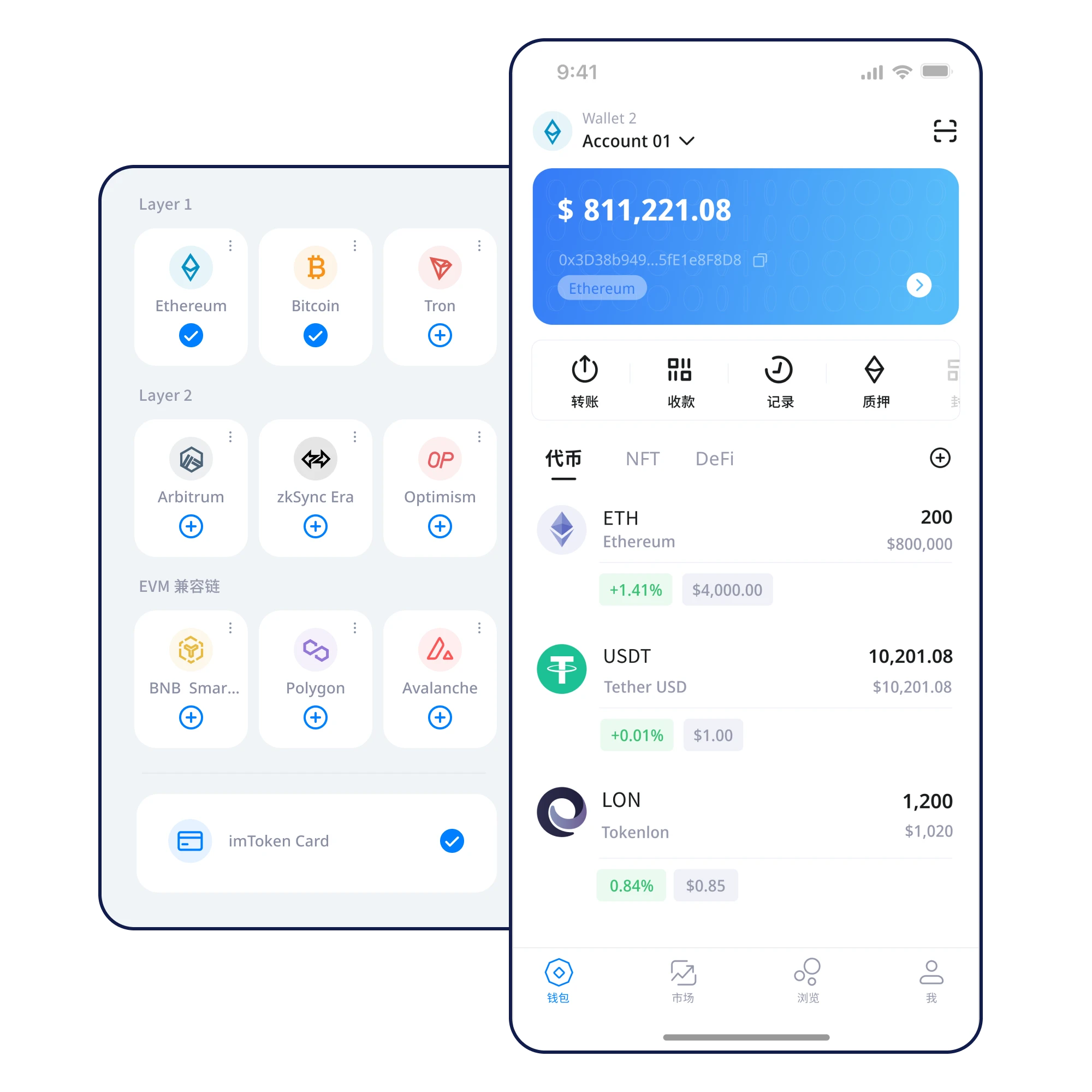
The following preview demonstrates asset lists, network labels and backup checks. It is not connected to a real wallet.
Tokens can share names across networks. Confirm chain and contract details as part of every transaction.
Explore asset management ↗Follow a dependable sequence from installation to offline backup and network verification.
Check the site address before downloading. Avoid short links forwarded by unknown accounts or communities.
Read guide ↗Decide whether you need a new wallet or an existing one, and secure the device before proceeding.
Read guide ↗Write each word in order, offline and away from cameras or onlookers. Never paste it into a message.
Read guide ↗Confirm spelling, sequence and storage location. Keep your secret material away from cloud notes and support chats.
Read guide ↗Understand the networks behind visible balances and confirm token details rather than trusting names alone.
Read guide ↗Double-check address, network, token, amount and permissions. Pause whenever a request looks unfamiliar.
Read guide ↗Limit unnecessary key exposure while understanding the separate roles of device security and backups.
Learn more ↗
Prepare offline recovery information before a device fails or changes; avoid depending on a single device.
Learn more ↗
Review networks, addresses, amounts and approvals before signing anything unfamiliar.
Learn more ↗
Know who controls your credentials and never submit them to unfamiliar services.
Review the network, address, amount and permissions before signing.
Keep an offline recovery plan ready before you need it.
Browse by the topic you need, from your first wallet to safe recovery and transfer reviews.
Watch out for impersonation, phrase requests and network mismatch. No warning system replaces your judgment.
Read phishing guide ↗This site explains the self-custody model. Users should understand how their credentials are held; verify actual features against the software version you trust.
Balance lookups and transaction broadcasting often require connectivity. Offline key practices aim to limit exposure, not make every operation offline.
Record it offline in the original order. Avoid screenshots, cloud backups and messages, and consider physical damage or unauthorized access.
A private key can control signing for an account; a recovery phrase can derive a set of keys. Both are highly sensitive.
Check your backup first, use a trusted installation source and confirm addresses and networks once recovery is complete.
Verify your source, prepare an offline backup and review the guides before taking an unfamiliar action.
⬇ Download Now